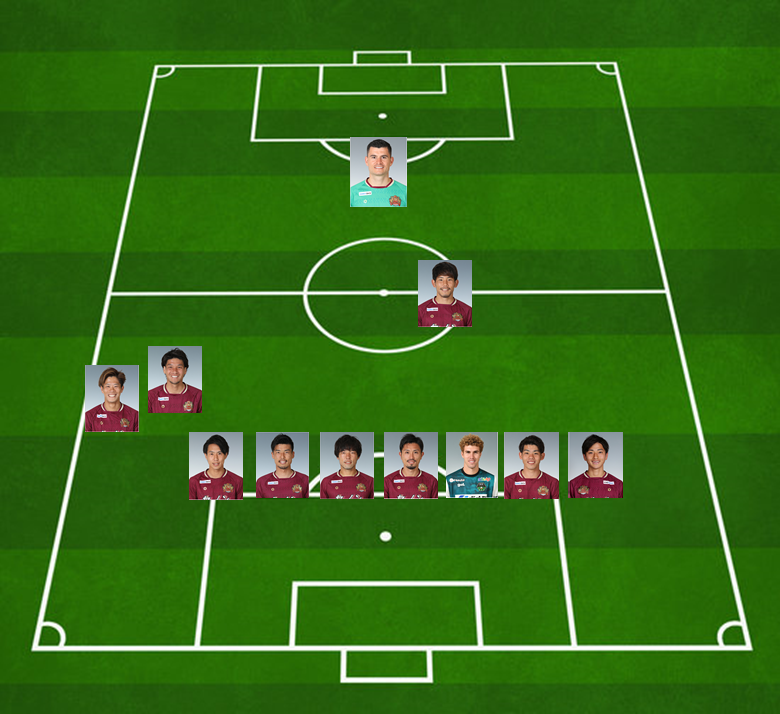
2023 FC Ryukyu Season Preview #FC琉球

Intro

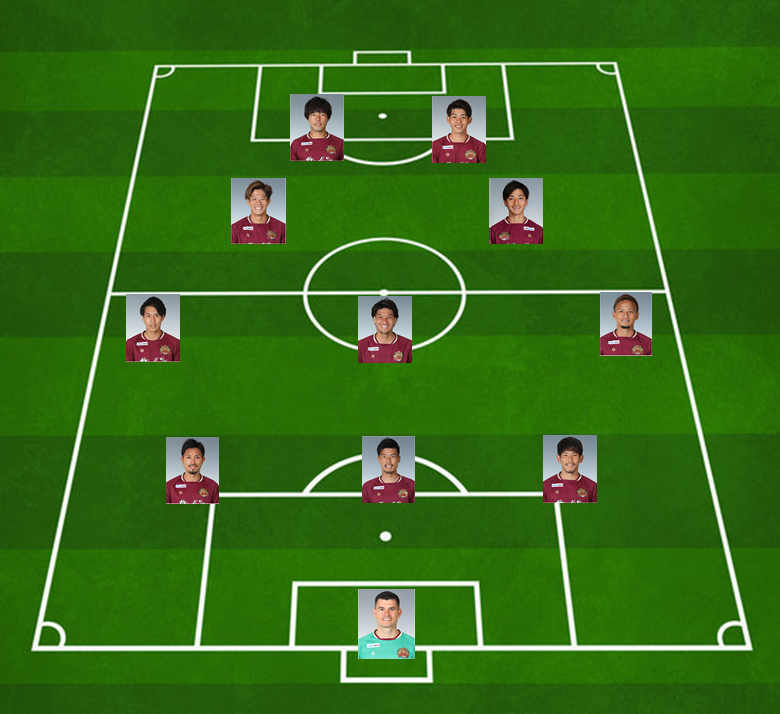
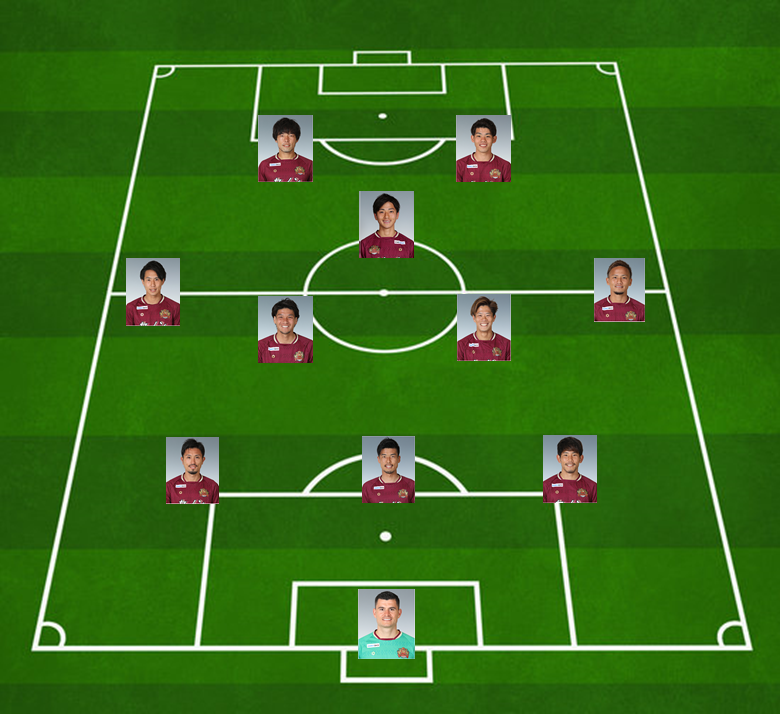
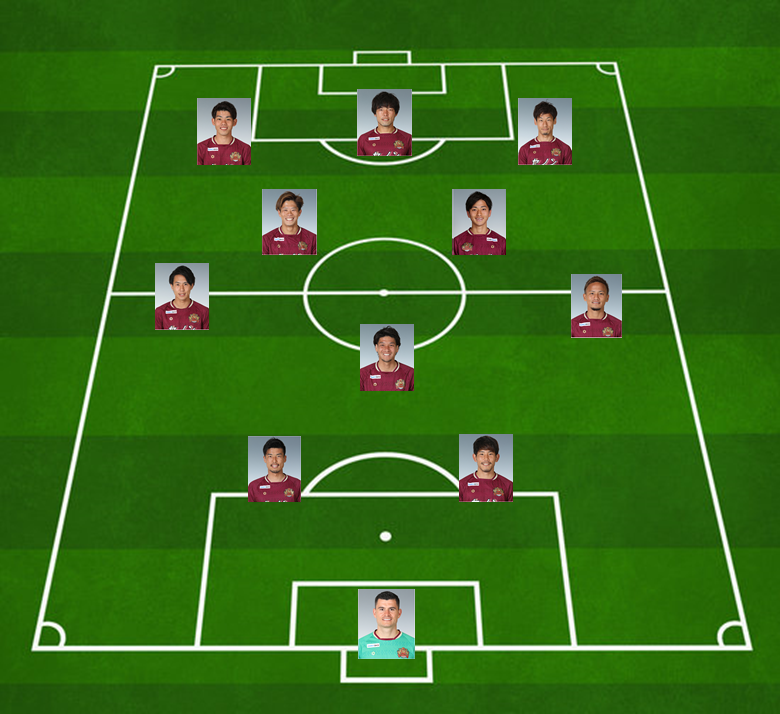
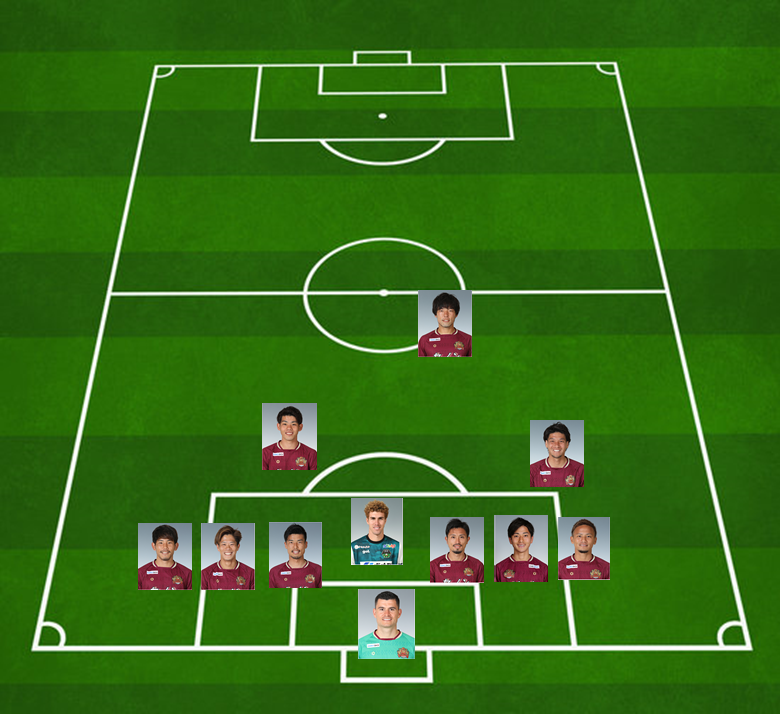
The start of the 2023 season is just a few weeks away for FC Ryukyu where they will find themselves competing in the J3 for the first time in four (4) seasons. Quite the journey for a team that operates on one of the smallest budgets in the league and who many tipped – year in and year out – to drop from the J2 in each of their four seasons. All of that is in the past and now FC Ryukyu will attempt to climb back up to J2 within one year. No easy feat considering it has only been done once (Oita Trinita 2015) since the inception of the J3.

Transfer Dealings

OUT: FC Ryukyu released a total of twenty one (21) players this offseason. Kazumasa Uesato and Shinya Uehara retired. Yuki Kusano (YFC, now Mito), So Nakagawa (Iwata), Rio Omori (FC Tokyo), Sittichok Paso (Chonburi), Van Luan (FC Saigon) and Hong Quan (FC Saigon) all returned to their parent clubs after their loan spells at Ryukyu. And then Ren Ikeda (Oita Trinita), Ryohei Okazaki (Tochigi SC), Lee Yong-Jick (Morioka), Keita Tanaka (Tottori), Takashi Kanai (Sanuki), Keigo Numata (Renofa), Yuki Omoto (Kumamoto), Kosuke Inose (Sagamihara), Sho Sawada (Portimonense U-23), and Kohei Kato (FK Jezero) all departed the club to sign for other teams.

Losing Ikeda, Kusano, Tanaka, and Omoto hurt the most but I didn’t think Ryukyu were going to be able to retain Kusano unless they remained in J2. Ikeda was a promising player for Ryukyu having notched seven (7) points in each of his first two (2) seasons before managing just one (1) goal, and one (1) assist in 2022. Ikeda was on a blistering pace in 2021 when he had six (6) goals and one (1) assist by Match Day 18 before a fractured back derailed his season. There was no telling how good he could’ve been that year had he not suffered that injury, or, how good he can be away from Ryukyu.

Tanaka’s release came as a bit of shock considering he has been a long serving steward at the club. Here is another example of a player who thrived in 2021, fell off statistically in 2022, and then somehow fell out of favor with Nacho to close out the 2022 season. Think a lot of why some players regressed in 2022 can be tied directly to Tetsuhiro Kina’s time in charge and not Nacho.

One thing that should stand out in everyone’s mind is the concerted effort by the club to completely clear out a majority of the defenders on FC Ryukyu’s roster. Ryohei Okazaki seemed like a project player brought in by Yasuhiro Taguchi in 2019 as he had played just seventeen (17) senior games in the four years before his arrival. Okazaki managed thirty nine (39) games in his first year at Ryukyu but numerous injuries reduced him to fifty seven (57) appearances in the last three years combined. I am not sure if he was ever that good, having been present for two seasons when Ryukyu were hemorrhaging goals, and only enjoyed his best season in 2021 when he was paired with Tetsuya Chinen. In that same vein, Lee Yong-Jick was another project player when he arrived in 2020 but Higuchi attempted to convert him from an attacking player into a defender which was a large ask of the player. Yong-Jick is a passionate player, just not a great defender and his departure only helps the club. It will be fun when he returns this season in a Morioka kit as his relationship with the Ryukyu fans really soured at the end of 2022.

Finally, the departures of Sawada and Inose, while maybe under the radar because of their limited appearances for Ryukyu, have just as much impact to the club as some of the more marquee names that signed for other teams. Sawada and Inose just found themselves buried on the depth chart but for a club that needs time to recover in J3, and build a stronger foundation for a push upwards, I thought these two young players could’ve been a big part of this team’s future. Guess we’ll just have to watch their development from afar.

IN: Fourteen players were added to the ranks at FC Ryukyu this offseason but it was the ability of the club to retain the services of many of the veterans that will have the greatest impact this year. Yusuke Muta (CB) was brought in from Morioka in what looked like a trade considering he and Yong-Jick swapped clubs at nearly the same time. There is no doubt that Ryukyu will anchor their defense around Muta but he is the only veteran central defender we signed from any of the three tiers in the J-League. Shusei Yamauchi, Ryota Araki and Yuri Mora seem like the other three center backs on the roster who all arrived from University. Keiji Kagiyama came over from Ococias Kyoto from the Kansei Soccer League (5th Tier) but must’ve made a serious impact already as he was named a vice-captain for the 2023 campaign. I still don’t know his position, FB, WB, or CB, but Ryukyu – a team consistently plagued with key injuries each season – seem razor thin at central defenders heading into 2023. I am not shocked considering they only pay lip service to recognizing the needs for defending but continue to load up on attacking players every offseason.

Ryukyu also added Takayuki Takayasu (Kanazawa), Rin Morita (Vortis), Sho Hiramatsu (Shonan), Shiryu Fujiwara (Vortis), Haruto Shirai (Okayama) and Sho Iwamoto (University) this winter with Shirai being the most seasoned player having notched thirteen (13) goals and two (2) assists across five seasons in the J2 and J3. The club also added a few young players from Korea in Ji-wan Jeon (GK), Eun-soo Jo (MF) as well as promoted one of their U-18s in Jitsuki Tsuha but as I mentioned earlier, the success of the club this season will be based largely on the contributions from the key veterans Ryukyu retained in the offseason.

RETAINED: Starting from the back Ryukyu were able to keep the services of both Dany Carvajal and Junto Taguchi in goal. Taguchi re-signed very early with Dany’s signature occurring near the end of the club’s transfer dealings. That was a shock considering that Dany was linked with larger clubs (V-Varen Nagasaki), or at least there was speculation, and despite the heroic efforts he has contributed to the club during his time here, he always seems second choice to Taguchi after he was usurped following a horrific injury in 2019/2020. Taguchi enjoyed a fine season in 2021 when Chinen was in defense but was disaterous, as was the whole the club, during 2022. Dany doesn’t always require a great defense in front of him and you have to wonder if Ryukyu have a great defense this season and whether Kuranuki has already decided on the Ryukyu #1. Taguchi being named a vice-captain this year only adds to the speculation that he will get the start over Dany to open the season which makes little sense considering the form Dany was in to close out the 2022 season where he provided the spark that at the very least earned Ryukyu some crucial points and a chance at avoiding relegation.

The only two (2) defenders that Ryukyu kept on the roster following 2022 are Makito Uehara (RB) and Takayuki Fukumura (LB). Despite all the playing time last season it felt a bit like Uehara regressed as a player. No doubt he has some of the tools you would covet in any defender, but his ability to read games, react to plays, and just all around defending was not that great. Nacho may have preferred him to Tanaka based solely on Uehara’s height, but if he cannot improve on his defending then Ryukyu have a problem. Who knows, there were a few RBs brought in this offseason to push Uehara out of the RB slot and possibly into a central defending role, but that is an even more dangerous prospect than having him stay at RB. Fukumura will look to fill the void at LB that has been ever present since Shuhei Tokumoto’s departure for Okayama following the 2019 season. Numata started his Ryukyu career pretty well by contributing some goals and assists in his first two seasons but was also plagued by some poor defending and lack of offense last year.

Another surprising retention by the club was that of Koki Kiyotake. The midfielder has reached double digit points in each of his two seasons at FC Ryukyu. The timing of his injury last season (fractured face), like so many key players last year, really sucked the life out of this club. I am sure he could have easily stayed within J2 on another club and I feel he is set up for a big 2023 season. The only question becomes how long we can retain Kiyotake’s services if he does indeed set the league on fire. Yu Tomidokoro, Kelvin, Katusya Nakano and Kazuto Takezawa will all be joining Kiyotake in the Ryukyu midfield. Kelvin contributed a goal and an assist in his first season at Ryukyu but was coming on very strong at the end. Nakano had a really good season last year where he chucked in six (6) goals and five (5) assists across all competitions. Yu and Takezawa’s contributions were quite limited with Takezawa seeing far more playing time than I would have expected. Takezawa had a strong opening game of the 2022 season but I am not sold on the player, at least not yet. We will finally get to see who, from the current players we retained, are truly J2 or J3 caliber.

Finally we make it to the most exciting part of the roster, the forwards. Takuma Abe, Sadam Sulley, Ryunosuke Noda and Takuya Hitomi have all returned. I would have to say that is a lot of firepower up top for Ryukyu. But that has never really been an issue here, the issue has been the ability of the club to provide the service the players of this quality possess in order to score goals, as well as an overreliance on the offense. We all know what Abe can provide when healthy, which has been an issue, and even more so now following a tear in his Achilles tendon last season. It is safe to wonder if father time is catching up on the veteran striker. Abe, like Kusano and Kiyotake, suffered his injury when Ryukyu needed each of them the most which started a seven game goalless drought by the club that ultimately led to the relegation. Noda, named team captain for 2023, will likely lead the line to start the season. Great in the air but not so great with the ball at his feet. If we intend to hinge our attack on this player, then we need far better crosses into the box. Sadam Sulley, yet another player I feel the club could lose in the summer transfer window, could absolutely barnstorm this league if provided the aforementioned service and opportunities. He too is recovering from injury but when healthy, adds a serious element to the Ryukyu attack. And that brings us to Hitomi.

I tweeted some time ago that I have the same feeling about Hitomi heading into this season as I did about Yoshio Koizumi before he busted out in 2020. Hitomi flashed some skill in 2020 with a nice goal before going on loan all of 2021 to Nagano Parceiro and then returning to Ryukyu in 2022 where he notched three of the nicest goals the team scored all season. He is just twenty five years old and if given enough playing time, which he may to start the season with two of the teams strikers recovering from injury, we could witness another one of those young talented players that breakout and eventually move on from the club.

STAFF: Kazuki Kuranuki was signed on as manager just five days after the end of the 2022 season as an internal hire by the club. The same type of move the club made in 2022 when they hired Kina from within following his end run in to the 2021 season. However, Kina had at least eight (8) games managing at the senior level compared to just two (2) of Kuranuki. Those two matches came as a caretaker between Kina’s CV-19 diagnosis and the firing of Kina and hiring of Nacho. That does not tell us a lot about Kuranuki as one cannot glean much information during his stint as an interim manager as there really isn’t much impact he can have based on the current squad and tactics he was overseeing in two disjointed games.

Managing Expectations for 2023

Keishiro Kurabayashi, president of FC Ryukyu, stated the club will return to J2 in just one season. A sentiment echoed by Captain Noda just this week. heck, they still clamoring about making it to J1 with the large hurdles of escaping J3 and getting promoted from J2 directly in front of them. Now, I know a lot of us are accustomed to the typical bluster and empty promises by clubs every offseason, which rarely result in someone being held accountable, but promises like this one are up for far more scrutiny come seasons end if those promises are not fulfilled.

The only things we have to base any judgement on the club prior to the start of the season are the moves they made in the offseason. And you have to ask yourself, what have they signaled to us as supporters in the form of their words and subsequent actions? So far the club has hired within, a move that proved catastrophic last year, hired a sporting director that orchestrated the dismantling of Sagan Tosu’s finances, and brought Kina back to the club after overseeing the calamitous campaign that got Ryukyu relegated. The club cannot act, or react, as slowly as they did in 2022 when problems arise and when change is necessary for survival/promotion. That means the timer has already started for Kuranuki who must have a shorter leash than was afforded Kina last season.

Various members of the club stated that they want to play exciting football here in Okinawa to draw in fans and improve the standing of the club in the community and the J-League. I am not sure that is the answer. Winning on a consistent basis draws people in, not perceived exciting football in the form of lots of goals that may end in heartbreak more than it does in glory. That also means not conceding so many goals late on in games that result in dropped points. Again, what did the team signal to us in the form of defensive signings this offseason to insure we don’t repeat the same mistakes of 2022?

What is going to take to see Ryukyu promoted following the 2023 season? 20 wins? Maybe. Considering that is what they had back in 2018 when they won the J3 but that was inside just thirty two (32) games. I would say that 20 wins is a mark that must be hit to put this team in the conversation for promotion. Avoiding injuries to key players throughout the year? Of course. Though injuries are inevitable, and last year they came in waves for our key players. Ryukyu always seem to have a yearly injury crisis that results in a dip in performance and reveals to everyone that our squad depth is based completely on the number of players we roster, not their skill.

How about having multiple players hit double digit points like when Kazaki Nakagawa (16g 10a), Yu Togashi (16g 4a) and Yu Tomidokoro (10g 7a) tore the ass end out of the J3 in 2018? An absolute certainty! Players must stay healthy, attackers must receive the required service they deserve and Kuranuki must find the balance within the squad while employing the right tactics married to the correct in-game adjustments that some of his predecessors could not.

Has the preseason told us anything? Not a lot. All we know is Ryukyu has trained, training matches have taken place and there has been some injury news. Sho Hiramatsu and Shiryu Fujiwara both suffered broken foots in the first training game of the preseason and will be out until April. Not starting off on the right foot. No pun intended. But more importantly, why has the club been so secretive about releasing any information about these games despite so many other clubs in the tiers of the J-League doing the opposite and even broadcasting games? As @FLManInJapan remarked, “They can only be hiding something.” I’ll leave that up to you decide whether that is a good or bad thing and we’ll all find out soon enough in just a few weeks.

I cannot state with any confidence that FC Ryukyu will be promoted in 2023. More like guarded optimism. I do not know much about the teams in this league and base a lot of what could happen this year on the great information passed by @GoGoOmiyaArdija on his J-Talk Short Corner J3 preview podcasts. I do think we have a lot of good players, are loaded in the attack, will ask Dany (hopefully) and Muta to quite literally be the last line of defense in our attempt to blow teams away. But this club needs to restore the trust of its fan base in the from of wins and promotion.

2023 Predictions

1. Yu Tomidokoro returns to set pieces. Yu has been so good on set pieces but really took a back seat to Kaz Uesato, and others, the last four years. He could be a difference maker for Ryukyu this year and one that has been sorely missed the past few seasons. Wouldn’t it be great to see a player in his twelfth season at the club provide some electric goals and help secure promotion for FC Ryukyu for the second time? And then possibly slide over to OSV to finish off his career?

2. Sadam Sulley reaching double digit goals. He has that in him for sure.

3. Takuya Hitomi reaches double digit points and is the best young (sort of young) player on the team.

4. Koki Kiyotake is the 2023 team MVP and in the J3 best eleven if he plays a full season with Ryukyu.

5. Kelvin reaches double digit points.

6. Taguchi starts the 2023 season, but Dany closes it out enroute to promotion.

Conclusion

That is it for the season preview. Plenty of questions remain with the expectations of promotion weighing heavily on the minds for both the club and its supporters. See you out there!

The Drop Zone Report #FC琉球

Intro

I want to take a deeper look at the teams possibly facing relegation since we are nearly 2/3 of the way through the 2022 season, points are at a premium, and Ryukyu is entrenched at the bottom of the table. I am by no means a statistician so there could be some flawed math with my approach but this is just a thought experiment designed to see which of the five teams near the drop zone have the toughest, or easiest, remaining schedules as well as what trends we can glean from past results that might predict future performance.

I focused on the five (5) teams at the bottom of the table that are separated by eight (8) points. Granted, the fortunes for any of these teams could change where they to move away from the drop zone, the gap between the relegation zone and safety increases that isolates just a couple of teams, or new teams drop down into this zone.

Current Teams Possibly Facing Relegation

Methods

Winning %: For this category I assigned a value of 1 point for each win a team earned and 0.5 point for each draw. I then divided that number by the total number of games played. For example: Niigata has 16 wins (16) and 6 draws (3) for a total of 19 points, divided by 27 games, to equal a 0.70 winning percentage. I then added the winning percentages of the remaining teams for each of the five teams above and then divided by 15 to reach the average winning percentage for their opponents. Winning percentage, sometimes considered as strength-of-schedule, may not be a particular predictive stat but it does at least give us an idea of what these teams are facing to close out 2022.

Overall Weighted Strength of Opponent: I assigned a numerical value of 22-1 based on current standings in the table. I started with the highest value (22) for the top team, Albirex Niigata, and worked my way down to the lowest team, FC Ryukyu, who were given a value of 1. I then added all the weighted values for each of the opponents for the five teams and divided by 15 (games remaining) to reach this number. I included the total value for each teams opponents in parentheses to the right of the average weighted strength.

Weighted Strength of Opponent Based on Home/Away Games: I created a table where I assigned an extra numerical value for each teams matchups based on their opponents standing in the table and whether the game was going to be played at home or on the road. I did this in order to account for the perceived difficulty in the opponent, location of the match, and to some degree, to incorporate the idea of home field advantage. I then added these totals and divided by the remaining home/away games for each team to reach an average weighted strength of their opponent for the home and away games. Totals for each team are included in parentheses next to the average number. See the chart below.

Average Home/Away Goals Scored/Conceded by Opponent: I divided the number of goals scored, and conceded, for each of the five teams remaining opponents based on the amount of previously played home/away games. I then added the averages for each team, separated by fixture location, and then divided that number by the remaining amount of home, or away, games for each of the five teams to reach this number.

Differences: I took each of the five teams average home and away goals scored and conceded, and subtracted it from the average home, and away goals scored, and conceded, of their opponents to reach this number.

Variables Not Accounted for: I did not look into any teams current injury situation, nor account for players returning to health or future signings. I also didn’t account for things like weather, travel distance, days between matches, kickoff times or recent trends (i.e. last five matches played). I will likely look at recent trends from a five (5) and or ten (10) game snapshot if a second installment of this entry is warranted.

Findings

Right away we can see that it is hard to compare all five teams since FC Ryukyu has two more Away games, and two less Home games, compared to the other four clubs in the table. This throws off the average strength of opponent, both home and away, and the average goals scored/conceded in all categories since they have played more home games and less away games than the others. Perhaps the next time I will look at a different sample size.

I may have also placed to much extra value on the location of the fixture by not taking into account both their opponents records for home and away fixtures, as well as that of the five teams. For instance, it is hard to assume FC Ryukyu has a markedly strong home field advantage over their opponents considering their current home record of 1W7D7L.

Building the table was useful in that it allowed me to see the differences in performance for both home and away games for the teams involved, but more importantly, it showed me some spots in the remaining fixtures where teams will need to exploit their opponents to remove themselves from the drop zone equation. With that, I’ll present some of my thoughts on the findings for each of the five teams below the fixture list table.

(18) Blaublitz Akita: Akita face the lowest combined winning percentage of the five teams I looked at with a favorable run of fixtures over their next seven (7) matches. Maybe. Akita struggles for away goals which could present a challenge during the fixtures at Omiya, Iwate and FC Ryukyu as they all have a stronger goals scored at home average than Akita’s current away goal ratio. But, Akita has conceded far less on the road than these opponents have conceded at home.

While I could easily see Akita drawing all seven of these games, it is likely they will win, and lose, some of those games. It is vital for Akita to take as many points as they can during these next seven games in order to push themselves far out from the dropping pack. Something I think they will do. The Gunma (H) and Roasso (A) games near the end of the year line up well on paper for Akita which might be their last gasp at avoiding relegation before a run of JEF (H), Okayama (A), and Sendai (H) to close out the season.

(19) Iwate Grulla Morioka: Iwate face teams who averaged the second highest win percentage in this table and may have the toughest overall remaining schedule of all the teams I looked at. Compounding these problems is the fact that Iwate also struggle for goals both at home and on the road. Zelvia (H), Yokohama FC (A), Okayama (H) are up next and are all teams who out pace Iwate in the goals scored/conceded categories. Though Zelvia and Okayama do not score as many goals on the road as one would expect from teams inside or near the promotion zone.

Akita (H) is Iwate’s most favorable fixture during their next seven games before being dropped right back into the meat grinder with Oita (A), Niigata (A), and Yamagata (A). I would expect Iwate to hang near the bottom of the table for the remainder of the season which makes the games at Renofa (A) and what could be the relegation decider for several teams, Gunma (H) match day 41, extremely important for Iwate.

(20) Omiya Ardija: Omiya has the toughest opponent winning percentage ahead of them but they are the only team with a positive, or neutral, goals scored/conceded ratio against compared to their opponents in the table above. Omiya start right away with Akita (H) which could lead to some points before Mito (A), Yokohama FC (H), Sendai (A), Zelvia (H), and Yamagata (H). Any points accumulated in those games would go a long way to turning this into a two horse relegation race between some of the other teams.

From there Omiya will experience a bit of an ‘every other’ fixture schedule that fluctuates between tough, and on paper, favorable match ups. Omiya do have the luxury of playing Renofa (H) and Gunma (A) near the end of the season. But if they leave it late, they will face Vortis (A) and Niigata (H) to end the campaign. With that in mind one could see Omiya hanging around near the bottom until the final weeks of the season.

(21) Thespakusatsu Gunma: Gunma have the second lowest opponent winning percentage remaining in addition to having one of the easiest run of fixtures to end the 2022 campaign. But like Iwate and Akita, Gunma are struggling for goals. Seems this is a recurring theme among all the teams in question here. One saving grace for Gunma is despite them possibly taking some heavy losses in the near term, so will some of the teams near them in the table. If they don’t drop too far back they will end the season with FC Ryukyu (H), Akita (A), Renofa (H), Omiya (H), Kumamoto (A), and Iwate (H).

Kumamoto is also slightly favorable based on their low goals scored at home average and then there are the many 6-pointers on tap for Gunma that at least provides the prospect of getting out of the relegation zone. If they are depending on salvation with a win/draw at Mito to end the year they could be severely disappointed. Like, Iwate, Omiya, and FC Ryukyu, expect Gunma to hang near the bottom barring some massive unexpected point gains.

(22) FC Ryukyu: Ryukyu find themselves sort of in the middle of the stat categories in the table above. But they are at a major disadvantage having to play nine (9) of their final fifteen (15) games on the road. Though one could argue they’ve done far better on the road this season as that is where they’ve earned 3/4 of their total wins, but it is an even split of points for both home and away this year for Ryukyu. There really isn’t a lengthy ‘sweet spot’ in the remaining fixtures for Ryukyu to exploit like the other teams we looked at. The best looking set of fixtures occurs with the match days 33 and 34, and then between match days 36 to 38.

Of their six (6) remaining home fixtures there are only two teams that Ryukyu face with a losing record on the road. One may think the Roasso game looks favorable at first glance but Kumamoto are some serious road warriors this season with eight (8) wins, six (6) draws, a single (1) loss with a ridiculous amount of goals scored. What Roasso has done on the road is something FC Ryukyu must mirror if they wish to survive 2022 in the J2.

But that won’t be easy considering three (3) of their nine (9) away fixtures are in locations where Ryukyu has never won (Vortis, Kofu and Niigata). They also need points at places where they own just a single win across three seasons in the J2 (Nagasaki, Mito and JEF). That means they cannot afford to drop points at Gunma, Tochigi and Kanazawa. One thing is for certain, FC Ryukyu need goals and need them fast. If they don’t get those goals that can lead to wins the end will come quicker than expected.

Conclusion

Maybe I didn’t get the answers I initially set out to find. But I did develop a much richer understanding of the sides facing relegation. Obviously this type of article could be much better if we had the input from fans from each of the teams that could speak to the similar woes Ryukyu is currently experiencing as I am only looking at the numbers for the other teams. In any case, FC Ryukyu has it all to do. I am hoping they can pull off a miracle.

Time to Change the FC Ryukyu 4-2-3-1 Formation. #FC琉球

While we wait for kickoff of the Sunday evening fixtures, I wanted to voice an opinion of mine that I’ve carried for quite some time. And that is, “why don’t we change the current formation of 4-2-3-1 into something that better suits the strengths of this 2020 FC Ryukyu team?”

Higuchi has never once made a change to the starting formation during his time in charge and while it could be said that he has made some ‘in-game’ adjustments to the squad when required; it is usually a case of too little, too late. So, what can be done?

First, I think we are not leveraging the greatest asset of this team; the midfield talent. We have a very nice mix of youthful exuberance, and veteran wisdom, in this year’s squad and it is a difficult choice each week to select the starting 11. But this leads me to my second point.

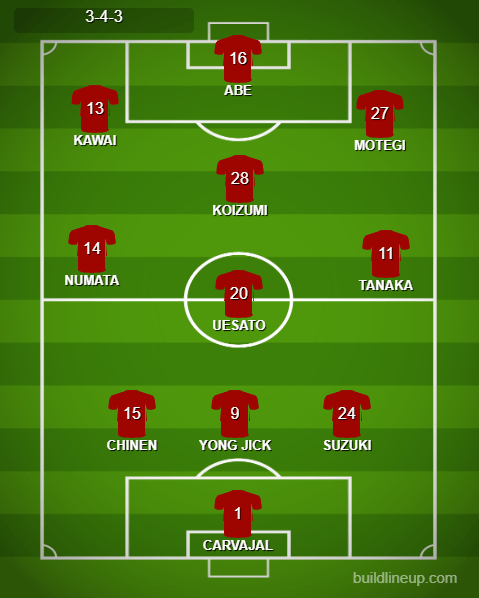
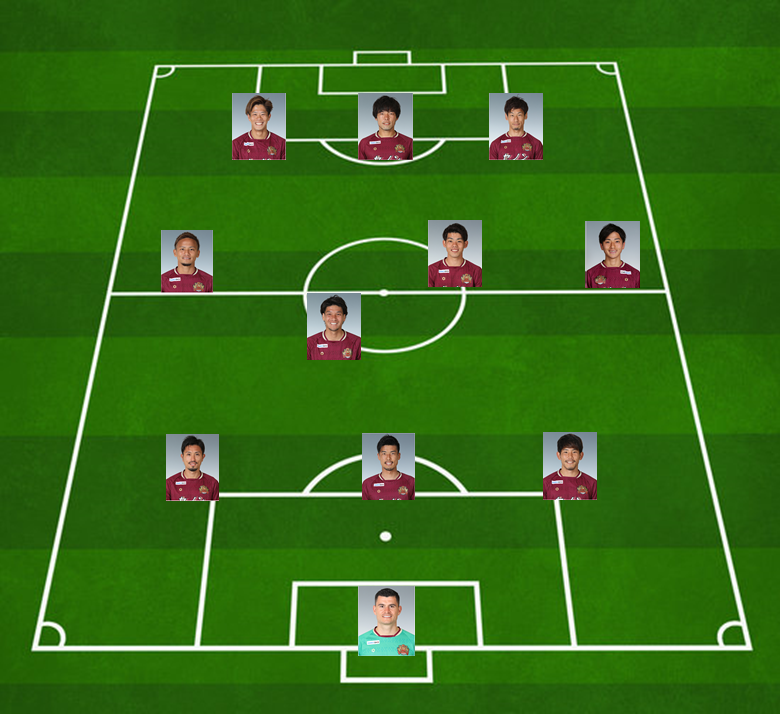
Drop the 4-2-3-1 for a 3-4-3. Our recent opponents Ehime FC have done well at this, and this would allows us to pack the midfield with as much attacking talent as we can muster while providing brief periods of rest. I should reemphasize that we lost Shinji Ono for probably an extended period of time this week and that leaves no natural substitute for either Uesato or Koki Kazama in the CDM roles.

So why not drop one to keep them both fresh? My third point would be if we started Yong Jick, Suzuki and Chinen at CB, we could still keep Fukui in reserve to fill in, or start at CB as needed to create a better rotation for our back line.

Fourth, if we moved Numata, Torikai, Tavares, Tanaka, and possibly Yamaguchi into more of wing back role, we could keep players fresh while still creating massive amounts of thrust forward. Think that won’t work? Just look at how ex-FC Ryukyu RB, Taishi Nishioka is thriving at Ehime FC when he is used in both the traditional RB spot as well as that of RW.

Fifth, if we are dead set on using a lone striker up top, it is best to surround him with speed and talent. Since our mid field is loaded with talent, and once Kawai returns, you have numerous options in Yamaguchi, Koizumi, Yu, Ikeda, Koya, and Motegi. Not to mention that Uesato can still marshal the attack from his CDM role while not needing to worry about scrambling back to cover 2 CBs since 3 sit behind him.

Finally, as these fixtures begin to pile up, it is imperative we rotate the squad to keep players fresh so as too avoid fatigue and injuries. The current 4-2-3-1 is not working despite the loads of possession we may enjoy each week as we are lacking a bit of creativity near the 18-yard box to make it all count.

In that case, why not overwhelm the defense with more attacking players that quickly change the direction of the attack as well as create space for players to occupy?

Anyways, just my thoughts and rambles heading into next week’s match.

“Finally, A Song in English for FC Ryukyu Fans!” #FC琉球

Last month I produced an English Language pamphlet to hand out to FC Ryukyu fans at both home and away matches. The pamphlet contained useful information about the club, members of the supporter’s group and the songs that the fans sing at matches translated into English. But that got me thinking, why not have an English song unique to the club? There are so many famous songs for larger football clubs that include: “I’m Forever Blowing Bubbles” (West Ham), “Glory Glory Man United” (Manchester United) “Marching on Together” (Leeds United), “Cant del Barça” (FC Barcelona) and of course, You’ll Never Walk Alone” (Liverpool). So, what makes a football song unique? Is it the lyrics? Is it the timing of when it is first sung in and around the grounds? Or, is it simply a case of several thousand supporters singing in unison that brings chills to the spine and goosebumps to the skin?

Over the course of the past few years I toyed with a number of songs to see if I could get one to stick but never found the right combination. I thought I could take the Dropkick Murphy’s Song “Barroom Hero” and turn it into an FC Ryukyu Song by signing the opening verse and then adding in the famous FC Ryukyu supporter chant at the end:

‘Face Down in the gutter won’t admit defeat, though his clothes are soiled and black.’

‘He’s a big strong man with a child’s mind, don’t you take his booze away!’

‘HEY!

‘FC Ryukyu’-then clap quick 5 times, ‘FC Ryukyu’-then end with 5 quick claps.

I think if the majority of the Japanese FC Ryukyu supporters understood what I was saying they would largely agree that this song is very applicable to my situation. However, I remain the only fool shouting this one out every week, but I really enjoy it.

Next, I thought, what about a song to counteract the opposing teams’ fans after the opposition scores against FC Ryukyu? Well, the one I came up with has been permanently shelved as it contains nothing but profanity and there are way too many people attending games these days to be saying these things. Back when it was just Hiro, myself and the supporters crew at the home games it may have gone unnoticed, but now with many kids sitting in and around my group of English-speaking friends, we cannot act this way or teach kids this type of language. Plus, it is borderline skirting the rules of proper fan behavior according to the J League so need to risk being thrown out of the stadium and incurring a lengthy ban.

So back to the problem at hand. Shortly after completing the pamphlet and with the notion of an English song unique to the club fresh in my mind, I stumbled across a song that I thought could be the one. But there were some things I needed to consider before choosing just any old song for this club and its supporters.

First, there are simply not enough of English-speaking fans to join in and some Americans here don’t feel like “making a scene.” Some may also feel embarrassed about signing in pubic due to ridicule so I needed something simple and that could pertain to both Okinawa and the rest of the world. Second, I needed to find a song that I could tailor the lyrics to suit the club and the island and that was no easy task. Third, the song needed to be both easy enough to remember as well as limited to just a few minutes since no one wants to sing a lengthy song. Finally, the song itself is not meant to compete with the entrance song that the FC Ryukyu supporters sing as the club walks out of the tunnel. The song is better suited for waiting outside of the grounds with many fans or just before the goalies come out for their warm-up or when both teams’ head into the locker just prior to kickoff.

With that in mind, I present to you, the song I feel that best captures the island, the club and its supporters. I give you, John Denver’s “Country Roads” tailored to the FC Ryukyu fans.

3:13 (Total Length of Song)

VERSE 1

Almost Heaven, Okinawa, Kunagami Mountains, Shuri Castle.

Life is old there, older than the trees, Younger than the mountains, growing like a breeze.

CHORUS

Country roads, take me home, To the place I belong

Okinawa!, FC Ryukyu!

Take me home, country roads.

VERSE 2

All my memories gather ’round her, Fisherman’s lady, no stranger to blue water.

Dark and sandy, Painted on the sky, Misty taste of Awamori, Teardrops in my eyes.

CHORUS

Country roads, take me home, To the place I belong

Okinawa!, FC Ryukyu!

Take me home, country roads.

BRIDGE

I hear her voice in the morning hour she calls me; the radio reminds me of my home far away.

Driving down the road I get a feeling That I should have been home yesterday, yesterday.

CHORUS

Country roads, take me home, To the place I belong

Okinawa!, FC Ryukyu!

Take me home, country roads.

Country roads, take me home, to the place I belong

Okinawa!, FC Ryukyu!

Take me home, country roads.

OUTRO

Take me home, (Down) country roads. Take me home, (Down) country roads.

The YouTube video so you can all hear how John Denver sang it back in 1976. https://www.youtube.com/watch?v=1vrEljMfXYo

I encourage you to listen and then follow along to the lyrics I posted so you can see where I made changes.

In closing, I am not sure if this song will stick, or if many will like it, but there is no doubt it will be unique to this club here in Asia. Let me know what you think and when you see me at games, let’s sing this together. Whenever the season resumes of course.

“Thus Endeth the Preseason” Final FC Ryukyu Preview of 2020 #FC琉球

The 2020 preseason has come to a close for FC Ryukyu and with that, there are plenty of observations and questions still surrounding this club leading into the regular season. let’s take a quick glimpse at each of those and then prepare for JEF Chiba United next Sunday.

Overall Pre-Season Record 3W3L0D

(L) Gamba Osaka                             1-9 L

(L) Omiya Ardija                              0-1 L

(W) Tokyo Verdy                              3-0 W
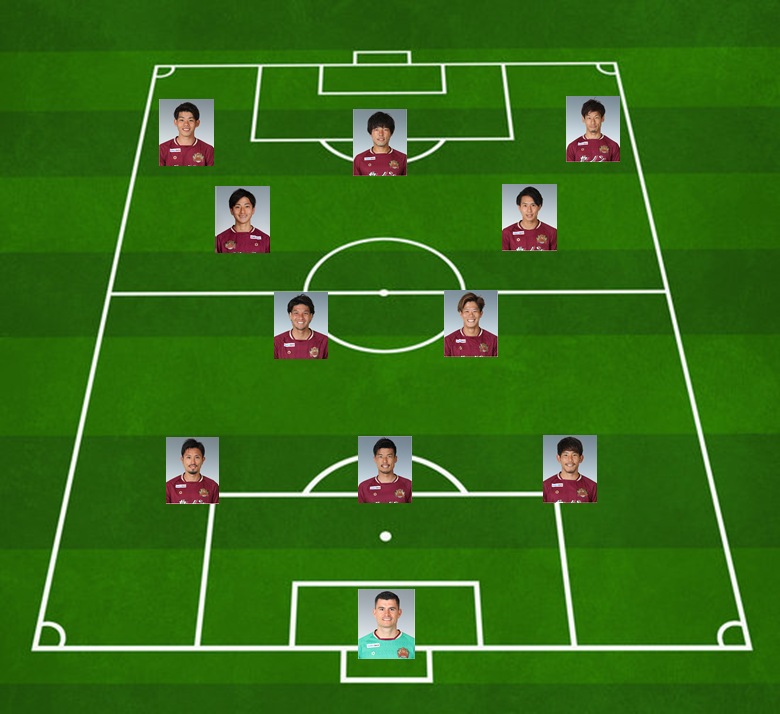
(W) Consadole Sapporo                  7-3 W

(L) Urawa Reds                                 1-4 L

(W) Kaiho Bank                                15-1 W

Score Sheet: (2) Abe, Uehara & Shunsuke Mogi (1) Koya Kazama, Shinji Ono & Hitomi.

*No score sheet provided for Kaiho Bank nor amount of multiple goals in a single match for any one player.

Player Injuries

Dany Carvajal: Ankle Surgery, 8-12-week recovery time beginning in December. Dany is probably 2/3 of the way through his recovery/rehab and is not walking with any noticeable limp or restrictions. Expect him back by April 1.

Yuya Torikai: Dislocated Tendon Surgery for his Ankle, 3-month recovery starting in October of 2019. Torikai has shed the support tape around the ankle/calf but I have no idea if he is at match fitness level yet. Saw him the other day and similar to Dany, no limp and looks eager to return.

Ryohei Okazaki: Foot Fracture, 5-week recovery. Could return as early as March 9.

Club Announcements

1. FC Ryukyu will have their own beach soccer team and the first practice is on March 8th. http://fcryukyu-bs.com.

2. FC Ryukyu re-signed Ramon and then sent him out on loan to Gainare Tottori. He promptly scored in one of the preseason matches.

3. Uesato was named team captain again for the 2020 season.

4. FC Ryukyu signed Yuhei Abe to a technical staff position. This signing may go under the radar but could be of vital importance for the club. I am not sure what he will study, or how his data analysis will impact Higuchi’s game plan each week, but it is an encouraging sign from the club.

Large, Looming Questions ahead of the First Match Day

1. Who will be the FC Ryukyu starting GK for Match Day 1? One has to feel that Junto Taguchi has the upper hand in that regard but has Inose or Masuda done enough to assert themselves this off-season? It is vitally important that FC Ryukyu get Dany back to full health and match fit quickly as they are a different side when he is in there and at 100%. The first 11 weeks are a brutal slate of games for FC Ryukyu and we need our top players out there each week.

2. Who fills in for Okazaki at CB while he is out injured? According to the roster, and Higuchi’s preference from 2019, that would be Ryoji Fukui. However, I wouldn’t count out Daisei Suzuki from what I saw of that player in the pre-season. Suzuki has a loud booming voice that easily organizes a back line and could prove a shrewd signing if he out produces Okazaki this year.

3. The Lineup crisis. Many questions here. First, who starts at FWD (Abe or Uehara) and can either play a full 90’? Second, do we have a true #10 behind either Abe or Uehara? I have zero idea who will be out there in one week’s time and for all I know, it could be someone totally unexpected. Finally, how does Higuchi get all the talented midfielders on this roster into the lineup, and keep them happy? Bursting at the seems with MF talent it would be wise to play those players that have the “hot hand” vice sticking to a lineup with the hopes that a player returns to form.

4. The Shinji Ono paradox. Simply put, attendance numbers versus results. Can Shinji play a full 90? If Higuchi decides to play Shinji, coupled with the fact that both our strikers are over 30 years old, has Higuchi limited his substitution options every game down to just 1? Let me explain, if Shinji enters/exits for Koki Kazama, that is 1 substitution. If Higuchi intends on subbing Uehara or Abe for each other at some point, that is sub number 2. Therefore, FC Ryukyu have only 1 available sub every match. This becomes predictable for our opponents and means we tread a very fine line for not picking up a red card or injury at any point. Granted, FC Ryukyu had zero red cards in 2019 but you certainly cannot bank on that in 2020. Lineup selection and reserve/substitution selection will be very interesting to begin the season.

5. Have FC Ryukyu solved the defensive woes that led to the most goals conceded in J2 during 2019? I have no idea and the fact that we’ll have a new CB partnership, plus GK, provides glimmers of hope with bouts of trepidation. FC Ryukyu cannot live on the razors edge as they did last year. The bleeding at the back has to stop.

6. Where will the goals come from in 2020? FC Ryukyu have sold their top goal scorers in each of the last 2 seasons. Yuta Togashi, Nakagawa, Koji and Uejo are all gone. That is absolutely ridiculous while being completely understandable for a club with limited resources. So then, who steps up? I think if FC Ryukyu can get 14 goals from Abe in 2020, coupled with some Mid-Fielders chipping in a bunch, we could be alright. We will need Uehara, Kawai, Tanaka, Koya and Motegi to be around the 4-5 goal mark each. We will also need about 5-7 goals from our defenders. Then the big ask will be to reduce the amount of goals we concede. Our opposition certainly has the advantage early as we without our starting CB and GK to begin the campaign.

Conclusion

So nothing unexpected here, many questions and many uncertainties surrounding FC Ryukyu. 2020 maybe a season where the goal is just building the fan base an increasing the operating budget for 2021. Not as glamorous as making it to J1 but football, most of the time, is a marathon not a sprint. We are building something special here in Okinawa and that journey continues in one weeks time.

“FC Ryukyu’s Battle for your Discretionary Income” 10/24/2019

It has been a long time since I last wrote anything that wasn’t a match day preview or report so I thought I’d take a moment to write a quick entry concerning the attendance levels for FC Ryukyu. For those of you that don’t know, FC Ryukyu have 2 home games remaining this season and there was a recent Tweet by Club President, Subaru Mikami, issuing a challenge to reach 100,000 total fans for the season. FC Ryukyu currently sit at 88,484, or 11,516 fans shy of the 100,000 mark. That means FC Ryukyu will need to average 5,758 fans over their next two games to achieve this feat. The question then becomes, can they realistically achieve that number?

FC Ryukyu by the Numbers

These tables indicate that fans only pack the Tapic Kenso Hiyagon Stadium on rare, special occasions. The inaugural J2 game for FC Ryukyu, the tilt against well known, and well followed Kashiwa Reysol and of course, Shinji Ono’s debut were the 3 highest attended games this season. FC Ryukyu’s record in those matches was 1W1D1L. The Yokohama FC match represented roughly 14% of the total amount of fans to attend all season for FC Ryukyu with the top 3 combined accounting for 30%.

Number of Fans Times this Season FCR hit this mark
10,000 – 15,000 1
7,000 – 9,999 2
4,000 – 6,999 5
0-3,999 11

The three lowest attended matches were Ehime FC, V-Varen Nagasaki and Kagoshima United FC. The weather forecast called for high winds and rain against Ehime and could be the reason why so few attended. The Nagasaki match was on the heels of a 6-game losing streak by FC Ryukyu and the Kagoshima match also followed 3 straight losses for the club. FC Ryukyu’s record in the lowest attended matches, 3 wins and 0 losses. Not to mention that the Nagasaki match was the greatest come for behind victory for the club this season.

In another strange occurrence. It seems that the clubs performance has no direct correlation between the amount of people that attend, at least on paper. For example, during FC Ryukyu’s home unbeaten run this season (10 games) they averaged 4,620 fans while going 5 wins, 4 draws and suffering the one loss that snapped the streak. In the 9 home games since, FC Ryukyu average 4,698 fans with 3 wins, 1 draw and 5 losses. Of course the largest game attended all season is in there but if we removed it, FC Ryukyu averaged something closer to 3,800. This would indicate that at least 1,000 of the more casual fans who rarely attend games, isn’t going to attend if the team is performing poorly.

There is another aspect to this, albeit a small one, but one of slight importance to the overall numbers. And that is the number of away fans who attend. Unfortunately, I don’t have any way of knowing how many away fans attend each match as all the attendance numbers are lumped together for just an overall total on the J League website. I assume the club knows this based on entry gates but if opposing teams’ fans mix in with the home crowd in the S-Section at the stadium, then those numbers will also be inaccurate.

As mentioned earlier, FC Ryukyu will need to average 5,758 fans per game to reach the 100,000 mark. That is 1,101 more fans than they normally average. Outside of the top 3 attended matches all season, FC Ryukyu only came close to that number on two occasions (Albirex Niigata & FC Gifu). The make or break match for FC Ryukyu to hit the 100k mark will be the upcoming fixture against Omiya Ardija. First, I am going to assume that Omiya will have a nice traveling contingent of fans this Sunday as the games start time of 1300 should allow for most of the Tokyo based fans to schedule a departing flight from Naha on Sunday evening. Second, the club has been promoting the MONGOL800 band that is set to perform just prior to kickoff and this could result in more of the casual fans, as well as fans of the band itself, possibly attending the fixture. I feel that the final fixture against Kyoto Sanga will be largely attended if for no other reason that it is the final home game this year. I hope I am right in that regards.

Future challenges for the club

While it was encouraging to see more people attend FC Ryukyu games this season compared to seasons past, FC Ryukyu will need to be even more involved in off-season promotions and signings with its marketing campaign to combat the popularity of basketball and new baseball team starting in 2020 in Okinawa. There are several forces acting against FC Ryukyu and I will list them out below:

1. Discretionary Income Spending: It seems that only on rare occasions will Okinawa based fans attend a particular match. If FC Ryukyu were averaging something closer to 7,500 for their games this wouldn’t be an issue but since we are not even filling half the stadium on average, not many people are coming to watch FC Ryukyu on a consistent basis. This is a big issue and one that needs to be the focus of effort in a concentrated marketing plan by the club. If we assume that a family of 4 will spend roughly 4,000-7,500 YEN per game, I can see why they will only attend a few games all season. The club does promote free entry dates for residents of certain towns and municipalities around the island as well as particular last names but that hasn’t had the intended affect as evidenced by the overall numbers. Heck the Renofa Yamaguchi match was touted as a free entry for people with the last name Higa, which I believe is the most popular last name in Okinawa, and it was one of eight matches that failed to eclipse the 4,000 mark.

2. Direct competitors on Island are strengthening and increasing: The Ryukyu Golden Kings have several advantages over FC Ryukyu when it comes to drawing in fans for games. First, they have a climate-controlled arena in which fans never have to worry about the weather. Second, basketball is a hugely popular sport here in Okinawa and the construction of the new Okinawa Arena, that will host the 2023 FIBA World Championship, is going to draw large amounts of people, especially if tickets are cheaper than FC Ryukyu. It will have 10,000 seats, similar to the Tapic Kenso Hiyagon Stadium where FC Ryukyu currently play, but I cannot see the Kings charging the same price for tickets that is on their website for the 2019/20 season.

The Ryukyu Blue Oceans is the newly created Okinawa baseball team that will play outside the NPB in 2020 with the intent to be a fully-fledged member of the NPB once the NPB expands it cap on expansion teams. While FC Ryukyu only have to compete with the Golden Kings for fans during a short period where their respective seasons overlap, the baseball season directly overlaps with football here in Japan. This means FC Ryukyu need to be sprinting to get 7,500 fans before they are playing matches on the same day as both the baseball and basketball teams. I personally cannot see how the island can support 3 professional teams, especially with two of them playing in 10,000 seat stadiums with the possibility of the baseball team playing in the 30,000 seat Cellular Stadium in Naha.  I am not sure if that is where the Blue Oceans will play, but it makes the most sense as far as existing infrastructure and concentration of the population. That is the same area for the newly proposed FC Ryukyu stadium as well. The parking and traffic will be a nightmare down there if Ryukyu and the Blue Oceans both have home games on the same day. This also assumes that FC Ryukyu have built and are playing in their new stadium, somehting for which ground has yet to be broken

The Way Forward

In the short term, FC Ryukyu would do well to have some sort of fan appreciation day in conjunction with the final game of the season. This is usually the case around most leagues and clubs will usually do something special for the fans on the final home game of the season. There are many things that could be done such as; giving away free merchandise to all that enter or throwing t-shirts/soccer balls into the stands. It could be in the form of allowing fans onto the pitch to mingle with players after the match and stay for an extended period of time for autographs/photos. It would also be great to have those FC Ryukyu players that are injured or not dressed in the reserves, to sit in the stands with the fans and watch the last game.

The next step for FC Ryukyu is to have a strong off-season marketing campaign. There will be the inevitable shifting of players and much needed time off for those that will return, but FC Ryukyu cannot simply drop off the radar when it comes to community engagement events, and press releases. We are really talking about a period of roughly 60 days before the 2020 training camp opens and about 90 days between the end of the 2019 season and start of the 2020 season. One major event, would be a ground breaking event for the new stadium or training ground that can be attended by fans and players alike.

The long-term goal of having the new football only stadium has to be seen through and needs to have some visible movement forward right now.  There only seems to be an unfunded proposal which is nothing more than a fantasy at this point. When money is put towards the project and shovels have hit the dirt, then we can expect to see an uptick in season ticket numbers. We know the club has had several meetings concerning the dreams of reaching the J1, as well as earned their J1 license, but there was talk that FC Ryukyu were not meeting a lot of the expectations for keeping them in the J2. The recent town hall meeting showcasing the new stadium had this bombshell dropped on the fans and it would be catastrophic to this club if they had relegation forced on them and would set them back at least a decade. I am not sure if this is tied to the amount of fans FC Ryukyu are averaging each match or that they do not have their own stadium/training ground. In either case, the alarm has been sounded and actions to remedy the problems must be conducted immediately.

Conclusion

While a majority of this article seems like a regurgitation of a prior op-ed piece, I wrote way back at the start of the season, I should also mention that the club has executed some small incremental steps this season that will have further reaching benefits for seasons to come. The atmosphere in and around the stadium is far better this season compared to seasons past. There are noticeable changes of seating at pitch level, vendors inside and outside the grounds and a much better marketing campaign. This all has to be done within the financial constraints facing the club, which is no small task. They are averaging around 1,000 more fans per game than they probably budgeted for at the start of the season and could you imagine the things the club could achieve if they averaged 7,000 fans per game? We as the fans would also be reaping the benefits of a financially stronger club in both the short and long terms. Could even mean larger kit sizes (3/4/5L) someday.

In any event, the competition for our discretionary income by the 3 professional sports clubs on the island will become very tight in the near future. Each will be competing for a very small, limited pool of fans that can attend matches on a regular basis. FC Ryukyu needs to find ways to grab as large of a slice as they can from this pie and it starts with two things. It means building a beautiful, unique, and technologically advanced stadium in addition to appealing to the large contingent of foreigners visiting and living on the island. The stadium should be a destination that people want to visit, have a phenomenal experience and return too on several occasions.

And oh yeah, I think it is realistic that FC Ryukyu hit the 100,000 fan mark for the season.

4 Matches in 8 Days

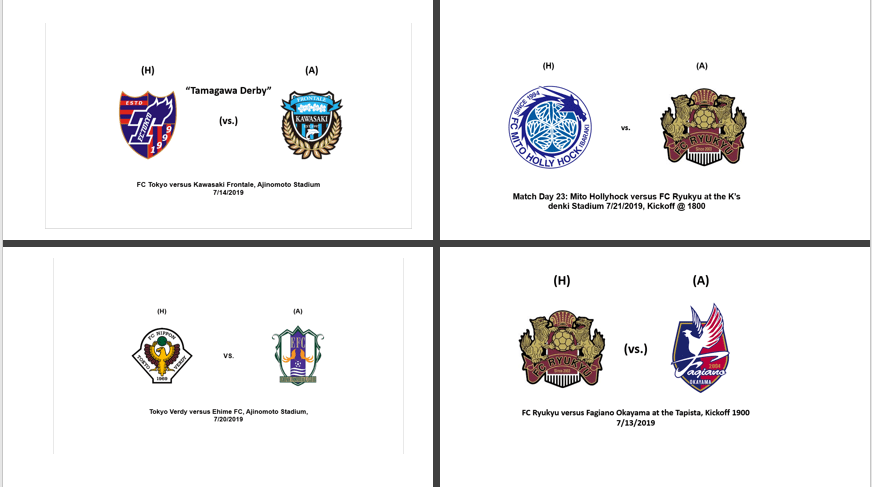
4 matches in 8 days. FC Ryukyu at home, the Tamagawa Derby, Tokyo Verdy vs Ehime and FC Ryukyu vs Mito Hollyhock in Mito. To all of you who live in mainland, you are lucky to have so much football at your disposal. I saw some amazing football in great venues with great atmospheres this past week. I must admit, the F.C. Tokyo vs Kawasaki Frotnale match was the crown jewel of this adventure, but each match was special.

Saturday July 20th 2019 FC Ryukyu vs Okayama Fagiano

For those that regularly follow my post on Twitter or have accidentally clicked on my Blog link, you know how this one turned out. FCR had possession, but never scored and Okayama walked all over us.

Sunday July 21st 2019 FC Tokyo vs Kawasaki Frontale the “Tamagawa Derby”

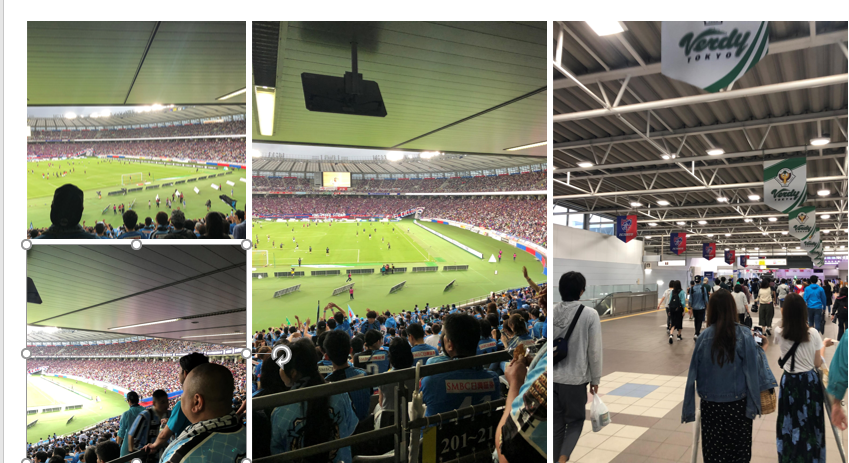
This match “recharged the soul.” First, I met a great group of guys; Neil, Bob and Matt. All loyal Frontale fans who, just bring it each week and I love their gold chains. Second, I can relate to Neil’s superstitions about where to sit and what to wear, bust most importantly, the order and timing. Third, I honestly thought it would be a bit more “festive” on the way to the pitch but Japanese fans are so respectful. There was no doubt where I was going to sit, the single best experience I’ve had in J1 football with any team was Kawasaki, so it was an easy choice. All eyes on FC Ryukyu, but I’ll turn an eye to our brethren up there when I can.

I entered the stands and wow. The Kawasaki supporters were blasting the FC Tokyo faithful out of the stadium. I think it was 49k maybe more in the Ajinomoto stadium but it was packed and was so uplifting to watch football in that atmosphere. Those that read this and see packed stadiums every week, congrats, those of us that don’t, it is something to behold.

Kawasaki did the job as they beat the home side 3-0 and it wasn’t even that close. Songs, beers, friends and football. It was just awesome.

Saturday July 20th 2019 Tokyo Verdy vs Ehime FC

Weather suggested it would rain all night so I wore pants. It never rained and felt like 1,000 degrees inside the Ajinomoto on Saturday night. However, I enjoyed some really great football. Verdy went down 2-0 early to Ehime and it looked as if Ehime were going to walk away with the match. But…..Verdy answered with 2 goals of their own and then the eventual winner. The 3-2 score line was enjoyable to watch as a neutral and it was an amazing back and forth game.

Sunday July 21st 2019 Mito Hollyhock vs FC Ryukyu

First, let me start by saying that the drive through the Japan country side was amazing. I really needed that and it was breathtaking.  Second, I met more fans than I expected to thanks to the scheduling of a far away road match for FC Ryukyu fans on a Sunday evening. Third, hats off to Mito supporters and fans; straight class and I am envious at how good you guys do it. The match went as expected in that FC Ryukyu tried but didn’t win. No need to recap the game for those of us that lived it or read the summary anywhere. In closing, I returned home by driving through downtown Tokyo. The tolls were brutal but it was so much fun. I swear, it felt like being on one of the video games I played when I was younger. The music selection I chose in conjunction with the scenery was just surreal.

Whats Next?

FC Ryukyu away vs Niigata, that is what’s next. But not for me. I’ll be enjoying this one from the comfort of my home.

Building the new Fortress Ryukyu

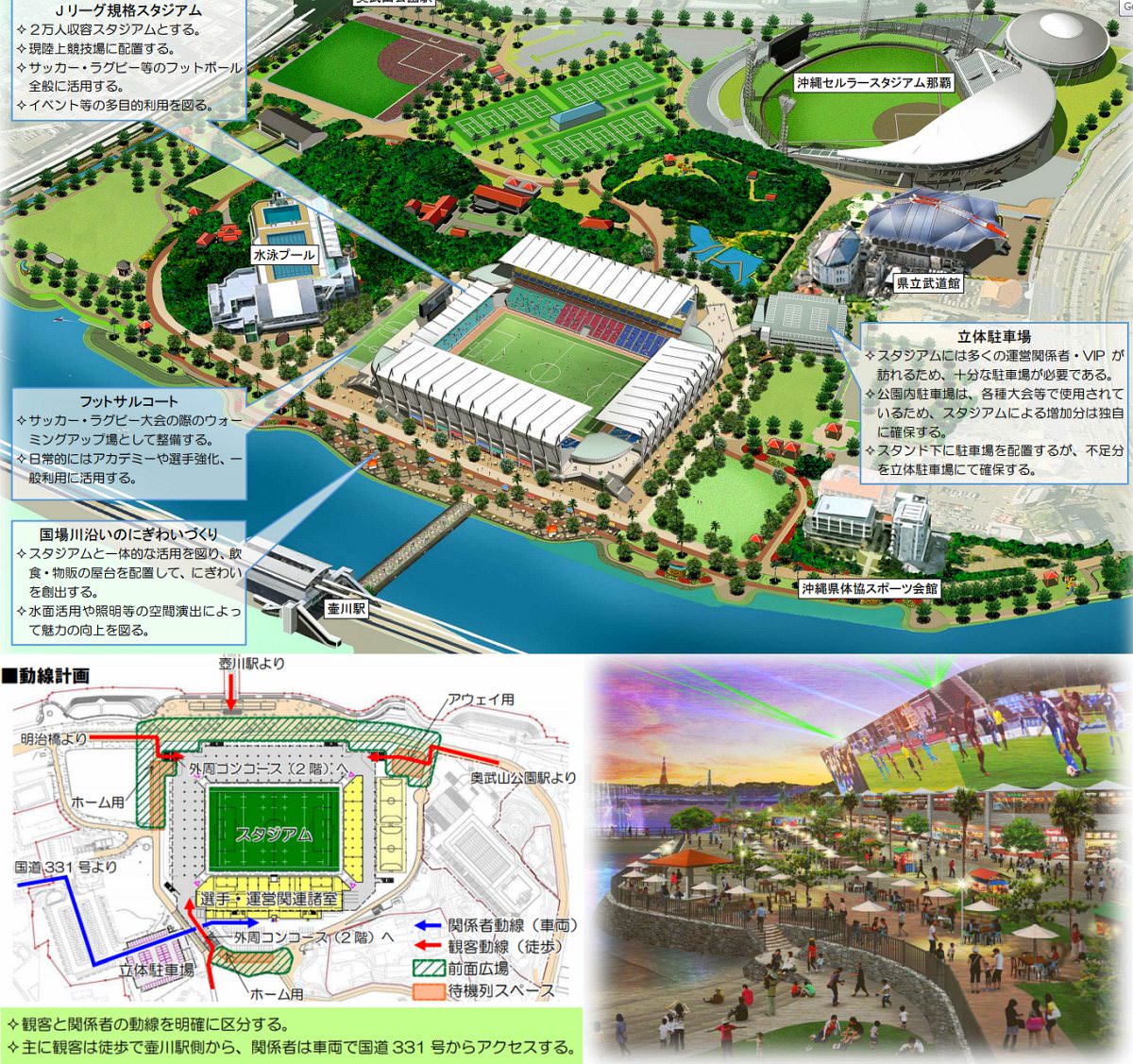
With all the recent news of FC Ryukyu applying for their J1 license, I thought it would be a great time to get some ideas out there for the new stadium. According to what I could find on the internet, FC Ryukyu had plans as early as 2017 to relocate to the Naha area of Okinawa and into a Football only stadium inside a much larger sports/recreational complex.  The stadium itself was supposed to be a “J1 ready,” 20,000 seat venue, at a cost of around 17 Billion Yen. It was (is?) to be called the Okutakeyama Park Athletics Stadium in Naha City and it was also planned to host Olympics and rugby in the Okinawa Prefecture with aims of opening in 2023.

Well there were some delays, mostly associated with funding, and that project was put on hold. But it is now once again in the forefront and gaining some serious momentum after last weeks revelation that the club will be applying for the J1 license. With that in mind, let’s look at some of those aspects that make a football stadium great with the hopes that this blog comes across the architects’ desk! (Probably not but we can try). I also must give a ton of credit to Mr. Tom Jones, not the singer, for outlining most of these points.

The proposed new stadium for FC Ryukyu circa 2017.

1. The Golden Rule for all Football Stadiums: Get the Front Row of seats as close to the pitch as possible.

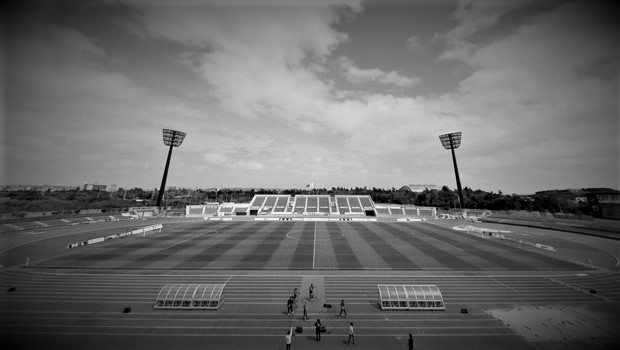
I have been in several football stadiums here in Japan, in Korea, in Europe and of course in the U.S.A. for American Football. I have seen both the good and the bad for stadiums and the one thing I can honestly say that I don’t like about Jleague football is; that fans are too far from the pitch in too many of the venues and it decreases the overall atmosphere inside stadiums. The “Tapista,” where FC Ryukyu play is a perfect example. The views from the sections on either side are fine but the fans have a large track between them and the pitch. We are talking about distances of around 30-40 yards. A quick glance at the teams in the J League reveals that out of the 58 teams, J1-J3, 24 play in Football only stadiums (including the U-23 clubs in the J3). The J3 actually has more clubs playing in the football only stadiums, 8, compared to the J2 that has 6. I understand that there are challenges associated with costs to housing a J League team and I hope more clubs in the future will move into football only stadiums.

Seating views from FC Seoul, Ulsan and Suwon.

This year I was lucky enough to get to the FC Ryukyu match when they took on Omiya on the road and it has been one of my best experiences at a football stadium here in Japan. They got everything at the stadium right: Size, Proximity of seating to the Pitch, Large home supporter section at one end of the stadium, food vendors and restrooms. The Nack5 is a great stadium to watch football and would love a carbon copy of that here in Okinawa.

Pretty much one of the best atmospheres I’ve experienced for Football in Asia.

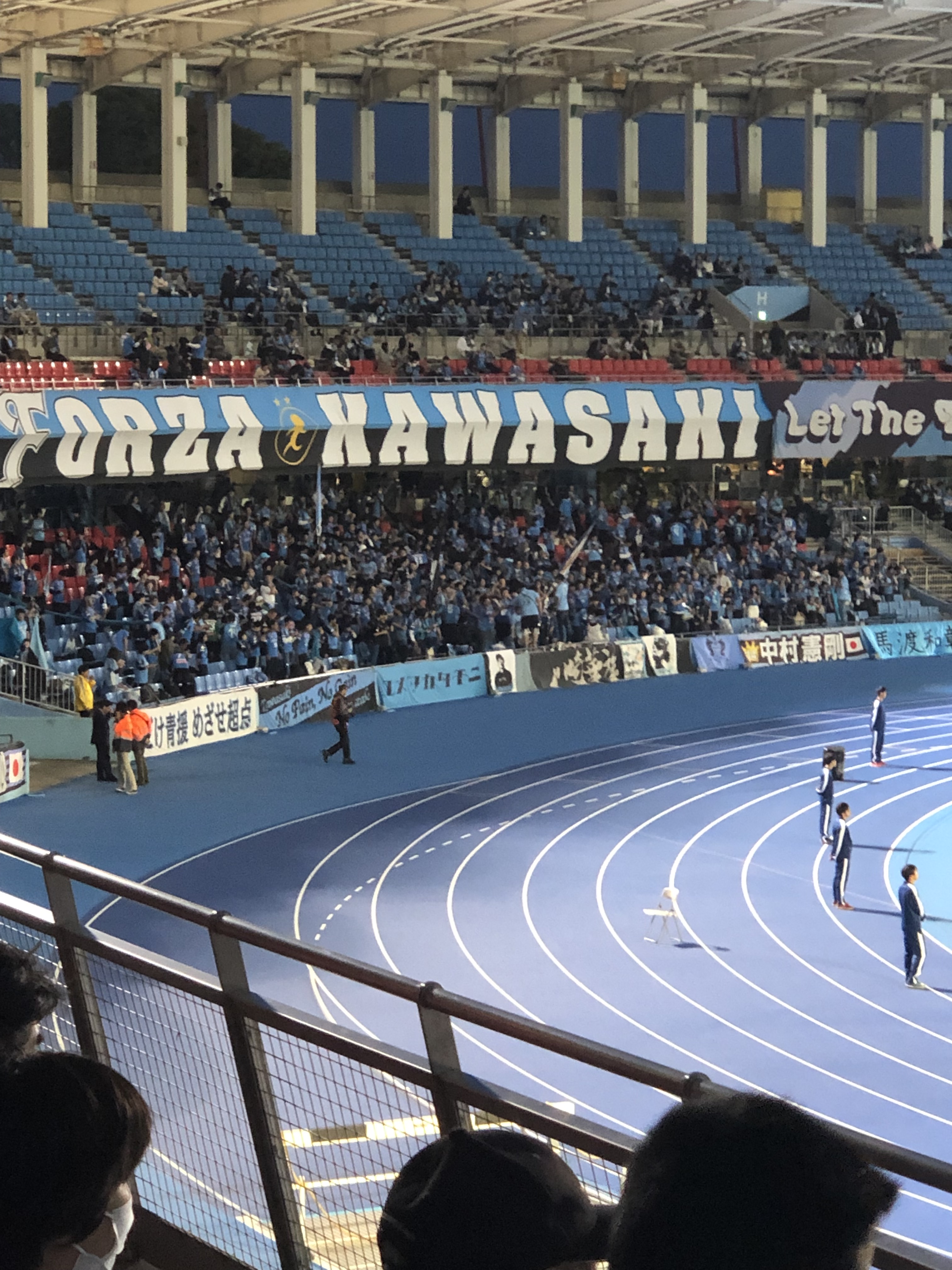
For the new stadium, I hope they recreate something close to the home supporter section at the Nack5 and closer to that of the “Kopp” at Liverpool as this would give F C Ryukyu a serious advantage when playing at home if we could get a section of 6-7,000 people all in one voice.  Because. let’s be honest for a moment, can a multi-sport stadium really generate a great atmosphere for football? In some cases it can, as evidenced by Kawasaki Frontale, but could you imagine if those supporters were closer to the pitch? Whoosh!

So these Frontale fans made this the best combo stadium atmosphere I’ve witnessed. Can you imagine these fans right up along side the pitch? Would be an even tougher place to play.

2. What are the ambitions of F.C. Ryukyu?

Some might quickly say it is to get to the J1. I would counter, that it is wining titles and building a generational fan base. My father was an Arsenal fan and so are my brother and I and that is because at very young ages he took us to Highbury to experience matches and fall in love with the club. This means that my children will be FC Ryukyu fans as I will do all I can to expose them to the club as often as I can. That’s what FC Ryukyu need to be thinking about here in Okinawa. We’ve seen the challenges of getting 8,000 people to a FC Ryukyu match this season on regular basis, imagine the monumental effort to fill a 20,000-seat stadium for 21, 17 or 25 matches every year. The new stadium needs to build a tremendous atmosphere for all FC Ryukyu fans to connect and come together for the club they love.

Also, there will be costs that arise from nothing as well as those cost associated with the clubs plans so it will largely depend on what FC Ryukyu want to accomplish with the stadium but it is important to understand the best practice for building a stadium and more importantly, how to go beyond it. FC Ryukyu must be involved throughout the entire process so when costs and challenges do arise, they are able to meet them head on and make sound decisions that benefit the club and fan base. There is no “one-stadium-fits-them-all” approach so make this new stadium uniquely Okinawan.

3. Make sure it has places for fans to gather both before the match and after.

Remember, FC Ryukyu are attempting to build an “atmosphere” both inside and outside the stadium. Considering the home supporters need to show up 3-4 hours prior to kickoff to hang banners and flags, fans will start arriving at the stadium well in advance of a match.

I’d love to see the new stadium have one of the following. A large open area at one of the corners of the stadium on the second or third level where fans could gather and watch the match together. The other would be a large sports bar inside the stadium with large screen TVs broadcasting the match. I’ve been to plenty of stadiums where this is the case and not every fan wishes to sit in their seat each match. Plus, you’d be able to sell tickets to either the seat or the special viewing areas.

Hopefully there will be a large enough parking area to do some tailgating but we’ll get to that in another section. After the match, it would be important not to push the fans out of the stadium if food, beverage and merchandise vendors are still open. If people need to exit the stadium, then hopefully there are some merchandise tents/shops outside the stadium as well as places to purchase food and beverages.

FC Ryukyu should take the steps now to track when fans start showing up to the Tapista. Break it down by arrival and departure times as well as by estimated numbers of people to get a better understanding of the venues to offer the fans.

4. Technology will be key for the new stadium.

This goes without saying but the new stadium needs free WiFi. Second, the sound and lighting systems need to be of high quality and so does the scoreboard. If it is impossible to broadcast the match live outside on large screen TVs, then at least an audio broadcast of the match outside of the stadium should be there to drive interest for the passerby who doesn’t have a ticket to the match.

One radical idea, and I have no idea if it is possible, is to have seats that can change color to the opposing teams’ supporters in the opposition section. We all know that JLeague rules stipulates that there must be seats dedicated to the visiting team. Maybe it would give off the appearance of a “fuller” stadium if the seats could match the color of the Home Kit for the opposing team since that is the kit most fans purchase. Not sure that technology exists or the idea has been presented before but anything FC Ryukyu can do from that wild idea to putting a cell phone charging station in each seat would be revolutionary in my mind.

5. Make the Stadium uniquely Okinawa.

I am not sure what this would entail but I think it is important for the stadium to capture this element. It could mean local shops and businesses inside and outside the stadium selling local goods or it could mean the team has dedicated Eisa dancers at every match. Everything about that stadium should look, feel, sound, smell and taste like Okinawa and the Ryukyus.

6. Get the core elements for the stadium right, the first time.

First, everything is based around the live experience of the football match itself. That begins with seating as close and as low to the action as possible. Second, make purchasing tickets easy. This includes both prior to and at the match in multiple languages with cashless ticketing purchase areas (and vendors). Having lived in Okinawa for the better part of 10 years I understand how all of Japan is a cash society, but there will be a large contingent of fans showing up to the stadium that are not used to this way of life, make sure there are ways to support them.

Third, make travel to the stadium as straightforward as possible. The new stadium is intended to be near the monorail and Route 58. Consider the traffic patterns both before and after the match and how the Japanese Prefecture Police can aide in getting the large number of fans out of the parking lot and onto the roads without huge traffic delays. The parking situation must be addressed as parking is a huge issue here in Okinawa. Where will the fans park and will these areas be accessible to daiko’s if fans have had too much to drink?

Fourth, make access to the stadium easier. Prevent long security lines at gates and have several entrances and exits. Fifth, have the best type of facilities in the Jleague. This includes everything from the restrooms, to the food vendors, merchandise vendors inside the stadium and the seating.

Finally, get it right the first time so as not to look back in regret or have to pay a larger cost because lack of foresight.

Conclusion

I have huge expectations for FC Ryukyu, their new stadium and the new proposed training ground. The actions by this club indicate a real desire and plan to achieve some lofty heights here in Japan as well as Asia. The club took the all important step forward last season by gaining promotion to the J2, it is now imperative they enact a sound business plan that sees this club rise into the ranks of the J1 and beyond. That plan can only begin with a brand new, state of the art stadium for FC Ryukyu that grows the fan base and increase revenue.

Golden Week Special #1: Reinventing the FCR Attack!

Golden week special #1 will focus on the FC Ryukyu attack, or better yet, what has happened to the FC Ryukyu attack the past few weeks. We will examine some possible formation changes and see if FCR has the personnel to execute any of these proposals.

1. The FC Ryukyu 4-2-3-1.

You are probably accustomed to this formation now even though it has some of its pieces swapped out over the course of the first 11 games. The were only a couple of times this season when we got a glimpse of what could’ve been with this formation. The opening match against Avispa Fukuoka saw the lineup that Higuchi was hoping to run out each week. It featured the starting 11 above and cruised to 3-1 victory. Week 2 against Omiya saw the first change due to a Tomidokoro injury but no one really noticed as Nakagawa and Uejo were on fire that day.  We’d eventually get Tomidokoro back into the lineup but not before Nakagawa departed for Yokohama F Marinos. All in all, we had 1, just 1 match this season with the original 11 starting lineup.

In subsequent weeks FCR had to find replacements due to a Nakagawa transfer,
injuries to Uejo, Nishioka and Tanaka and the short week match up against JEF that required some much-needed rest for some of the starters. Because of all these factors FCR has only scored 8 goals over the last 8 matches compared to the 9 they scored in the first 3 games of 2019. Higuchi promised to continue the attacking style of play that FCR was so famously known for when he took over this off season, well now he needs to find a way to restore it to its former glory.

The remainder of this article will focus on some of the well-known formations that exist in football as well as those that may not, and how FCR could employ them. A football team cannot simply change their formation at a moment’s notice and expect it to net results right away. This is due in large part to the facts that the manager usually has a preferred style and sets his team up to support that style in addition to having conducted so much on the training ground in the preferred formation.  Keep in mind, this is the real world, not FIFA19, you cannot alter formations and starters and drop the difficulty settings to achieve the results you want. Instead, I am proposing that the club to take a hard look at the assets they have on hand, or could possess later, and really think about how to make the FCR attack lethal once more.

2. 3-4-3

Uesato would drop back slightly to support the back 3.

“Using a 3–4–3, the midfielders are expected to split their time between attacking and defending. Having only three dedicated defenders means that if the opposing team breaks through the midfield, they will have a greater chance to score than with a more conventional defensive configuration, such as 4–5–1 or 4–4–2. However, the three forwards allow for a greater concentration on attack. This formation is used by more offensive-minded teams.” Straight out of Wikipedia and sounds exactly like FCR. We rarely keep clean sheets so there should be little concern about conceding as it seems every team has been attacking our original 4-2-3-1.

I think FCR could set up with a back 3 of Fukui, Okazaki and Masutani. The MF would consist of Tokumoto on the left, Uesato slightly deeper as a holding MF, Uejo pushed slightly forward to control the attack and finally a player like Koizumi out wide to the right. Up front would see Tomidokoro, Suzuki and Tanaka. Tokumoto and Koizumi would bear the most responsibility when it comes to back tracking and assisting in defense but this seems logical as Tokumoto already plays in an RWB role in the current formation and Koizumi has not had a lot of playing time this season so his legs should be fresh. It is unrealistic to ask the skill players of Tanaka and Tomidokoro to take on the task that Tokumoto and Koizumi will play and Uejo has just become a full 90-minute match fit this past weekend. Since FCR conducts so much of their attack down the flanks anyways, we could run Tokumoto and Koizumi ragged for about 60-75 minutes before bringing on Kawaii, Nishioka or Ochi to keep the attack fresh. There are several variations to this formation that FCR could tinker with but I believe FCR should only bring a player like Kawai on later in matches so we can maximize his speed.

A more traditional 3-4-3 set up. Tanaka drops back to provide service to the attacking players. Koizumi comes in as RWB/RMF to provide a spark.

3. 3-3-2-2

Putting some serious thrust forward.

I have not seen much out there on this set up so I am not sure of all the nuances for players responsibilities but from the small visual representation here, it seems FCR would have to be very careful with possession in order to prevent too many counter attacks. Also, this formation may already exist under a different numbering system but boy do I like the way it forces FCR to lean into the attack.

I believe FCR would need to start with the speedy players and then alter or change their set up later in the match. This formation seems to send the message that you want to get out in front quickly in order to build a lead and then continue pounding the net until the players are exhausted.

I think in this formation we’d ask our back line to hold their positions and for players like Kawai and Tokumoto to “pinch” into the Central Mid Field areas when defending.

4. 3-4-1-2

This formation may see Tomidokoro providing better crosses/passes into the 18-yard box.

“3–4–1–2 is a variant of 3–5–2 where the wingers are more withdrawn in favor of one of the central midfielders being pushed further up field into the “number 10” play maker position.” Wikipedia again with this quote.

The last two formations have seen FCR put an additional forward up front to provide some relief to Suzuki. There is no doubt he is outstanding at the holdup play but someone needs to be making dangerous runs into the box so Suzuki can start finding open space in which to operate. By dropping Tomidokoro a little bit farther back I think FCR gains a play-maker that can put some very dangerous crosses and passes into the box.

5. 3-2-3-2

If FCR wanted to get out on the front foot quickly.

In this set up FCR would sacrifice some of the speed required for defending in order to put maximum pressure on the opposing defense. We would deplete the energy levels of Uejo and Tokumoto rather quickly as they’d have so much to do when tracking back on defense but this puts all of the FCR play makers forward in the attack.

6. 3-1-4-2

Allow some space for Suzuki and Uejo to run into.

Assuming we could cover and prevent all counter attacks with a back 3 and Uesato over top, FCR could play to its strengths by attacking from the flanks. By dropping Suzuki and Uejo back slightly from the more forward wingers in Tomidokoro and Tanaka, we may see better service into the box for our attackers. As evidenced by this past weekend, when Tomidokoro has time to pick out players in the box he can deliver and this formation will push him and Tanaka slightly wider to provide a little more precise crosses to Suzuki and Uejo.

The other option would be to swap Suzuki and Uejo out wide to where Tomidokoro and Tanaka were at in the previous formation. We know how lethal Tomidokoro and Tanaka are and this may free up some space for Suzuki and Uejo to create some mismatches running laterally into the box.

Allow Suzuki and Uejo to attack the 18-yard box from the flanks.

7. 3-2-2-3

That;s a lot of firepower orientated forward.

FCR would be asking Kawai and Koizumi to track back on defense while allowing Tomidokoro to pick out the runs made by Tanaka, Uejo and Suzuki up front. Assumption would be that Uesato still provides top cover to the back 3 and doesn’t get sucked into the attack without recovering back on defense.

8. 2-1-4-3

End of the match and FCR need an equalizer or the all important winner.

This formation is probably best reserved for some serious last-ditch efforts on net instead of how you want to start the match. 5 attackers are really 7 with the support provided by Tokumoto and Kawai down the flanks. Those two would need fresh legs to support all the defensive back tracking requirements so again this is probably best left to the end of matches when chasing an equalizer or winner. With that said, there are 5 of the best FCR players up front who can score from anywhere.

It was great experimenting with some of the formations FCR could employ with their current squad and I want to leave you all with one more. This one requires a transfer fee to be paid, contract to be signed and for those funds to be available.

So please bear with me as we travel down this fantasy path.

9. Defending set pieces with a player that has serious height.

Joao Gabriel is an interesting player for SC Sagamihara. He has all the traits you look for in an outfield player but if we think bigger than that, we see a player that can help see out tough match ups as well as provide chances at equalizing games or winning them very late. Keep in mind, Gabriel is not a direct replacement for either Suzuki or Wada, rather, he is there to provide a certain skill set that FCR desperately requires. It is obvious a lot of our matches will come to last minute equalizers, winners and losing goals so this guy could either prevent or provide those required services.

Imagine what it would be like defending corners or set pieces late with Joao’s presence. Suzuki could drop back into a counter attacking position,and since he is one of our best finishers, he should be the one getting on the end of counter attacks instead of having to start all of them.

Nothing like a little height at the back that can feast on high crosses sand clear them out of danger.

10. Set pieces late in games with the same player.

Instead of having to be pinpoint accurate with all the crosses coming into the box, FCR just has to be in the “general area.” What I mean by that analogy is that there is a lot more forgiveness in the errors of the cross if it is too high or off target with a player of Joao’s height roaming the area. FCR could be more inclined to send crosses into the box at higher elevations vice trying to maneuver into the box and attempt one more pass that may prove to be one more pass too many and derails our attack.

Set piece delivery from Tomidokoro or Uesato, That front line looks menacing to defend with Joao’s height up there.
Could prove difficult for teams to defend late in games and gives FCR a chance to equalize or win late.

Again, this was enjoyable but I don’t know if any changes will occur down here in Okinawa to revitalize our attack. Until the next time, enjoy your Golden Week.

So Now What?

Now that FCR has achieved the record of 26 consecutive home matches without defeat, the question becomes, what is next for this club? The question itself is vague in that “next” could mean so many things to different people. For example, next could refer to another J League or club record set by FCR, or it could simply refer to the future challenges facing FCR this season. For this entry, next will refer to the remaining fixtures for FCR this season and more importantly, identifying the potential pitfalls and opportunities in the schedule.

While it is very easy to get caught up in the romantic notion that FCR could somehow achieve the unthinkable and find themselves in contention for a J2 title or promotion to J1, the reality is much different. FCR needs a new stadium and practice facility in order to get a J1 license and they are a ways away from that point. The focus for FCR this season, as it always should have been even after their fast start, is to remain in the J2 for next year and establish a larger fan base for the future. I am sure many of you are tired of hearing me promoting this view point, but with no real chance for promotion to J1 coupled with the fact that we are the new boys on the block, this should be the benchmark for a successful season for FCR this year.

With that in mind let us now take a deeper look at the remaining fixtures for FCR broken down into 5 categories. The first category will include match days 8 & 9, second will see match day 11 though 20, third will start with match day 21 and end with match day 30, fourth category is match day 31 through 40 and the fifth and final category is match days 41 & 42. There may have been a better way to break these up but this breakdown will suit some of the points I make throughout this entry. As a side note, I will revisit the remaining fixtures for FCR throughout the season because the fortunes of teams are also likely to change over the course of the season. Teams that are at or near the top or bottom may no longer find themselves in those same spots later in the season with injuries also likely affecting a team’s performance and standing.

Season to Date:

Through 8 games this year FCR has seen a fast start of 4 wins from 4 followed by 3 draws and a defeat in their last 4 matches. The early part of the schedule has also been kind to FCR since they’ve just wrapped the first series of 3 games in 8 days with only minor injuries to the club as well as having already traveled to their farthest North (or east depending on your perspective) away match this season in Yamagata. This cannot be taken for granted as FCR will be spending many hours in the air this year and will be far and away the team that travels the most in all of the J League.

Category 1: Match Days 8 & 9.

FCR sit on 15 points from 8 matches and are roughly 1/3 of the way to what should be considered a relative safe amount of points to avoid relegation (42/43). They are the top goal scoring team in J2 and sit mid table when it comes to the amount of goals they’ve conceded compared to the rest of the teams. First up is Tokyo Verdy FC. Verdy are a strange side right now as it seems they “play to the level of their competition.” What I mean by that is they’ve lost to teams that are in the bottom half of the table and have beaten or drawn with sides in the top half. Verdy are also much stronger at home then on the road so this will be a real test for FCR. A point from this fixture would be massive for FCR. Next up is Kagoshima.

Our fellow J3 promoted side hasn’t fared as well as FCR this year in the J2. They haven’t won since the opening day, they have failed to score in their last 6 matches and are at the bottom of the table. However, one could make the argument that FCR maybe just the remedy that Kagoshma need to end their goal scoring drought as FCR have only kept one clean sheet all season. Regardless, this is a match that FCR must go and win on the road to further distance themselves from the drop zone. Kagoshima are ripe for the picking and anything less than 3 points from this match should be considered a failure. I say that because both these teams were pegged as the likely drop candidates at the start of the season and with one of them failing to fire, FCR must be lethal and put them to the sword early and often.

If FCR come away with 3-6 points from these two fixtures we will be sitting very pretty heading into the J2 grind. For this entry lets assume FCR go 1-1 in these two fixtures and sit on 18 points heading into match day 11.

Category 2: Match Days 11-20

As of this writing, this part of the schedule sees FCR play 3 teams in the top 6 of the table all at home. That is Mito, Kanazawa and Kofu. FCR only plays 2 teams in the bottom 6 of the table in Gifu and Nagasaki and they are both on the road. That means FCR plays 5 matches against the middle part of the table with 2 of those at home compared to 3 on the road.

First, FCR welcome Zelvia on match day 11 and their current away form is 1 win from 4. This is shaping up as a winnable game for FCR and one has to believe that there could be some revenge narrative to this game for Suzuki. Assuming that he’ll be up for this game, FCR need to take maximum points against an opponent that doesn’t travel well. Traveling to FC Gifu the following week sees FCR play a team that on paper looks strong at home with 2 wins and 2 draws from 4 matches, but those numbers are deceiving. FC Gifu hasn’t won since the 9th of March and have only scored once since that victory. This is another team in flux that FCR needs to target for maximum points. Mito come to town the following week and they are a team, at least early on it seems, that travels well. Mito haven’t lost on the road at all this season. Some pundits, like Stuart @sushi_football, claim that Mito are one of those sides that start very fast and taper off as the season drags on. This is match day 13 and could still be considered early in the season so therefor I am going to argue that FCR and Mito play to a hard-fought draw.

The next run of fixtures for FCR goes as follows: Okayama away, Nigata at home, Yokohama away, Kanazawa home, Kyoto away, Kofu at home and end with Nagasaki on the road. These matches are getting tougher and tougher to predict the farther out we get, but I am going to assume that FCR goes through a long spell of matches without a win, draws against Yokohama on the road and ends this category with a win on the road versus Nagasaki. That means FCR could taste their first home defeat since 2017 as well as suffer through a 7-game win-less streak starting with the Mito match. The Nagasaki match will prove crucial to the overall success for FCR this year if that Nagasaki squad cannot bounce back from their slow start and/or have a managerial change mid-season. That is a game to target for FCR because the upcoming 3rd category has an absolutely brutal run of fixtures for FCR.

So that would be a total of 11 points earned for FCR in this part of the season bringing their predicted total up to 29.

Category 3: Match Days 21-30

Before FCR can even get into this run of fixtures they first need to compete in the Emperors Cup on July 3rd. The Emperors cup has always been an enigma for me since I always wanted to see a larger J League Club come visit Okinawa but it was never the case. Thanks to Alan over at the @JSoccerMagazine, I was able to understand the scheduling process of the JFL for this tournament. While at the J3 level it was totally fine to target some of these games and start the regular lineup but I believe this will prove costly for FCR this season if they go this route. The J2 is the most important competition for FCR right now and the FCR squad is not large enough to support a “cup run” in any form this year. This was evident the last 2 weeks by having Masutani start at RB while the starting RB, Nishioka, recovers from injury. Depth is key for games outside of the J League and FCR just doesn’t have that right now but that shouldn’t matter. The Emperors Cup game comes 4 days after Nagasaki and 2 days before match day 21 against Tochigi. If we consider that FCR has to play Nagasaki and Yamaguchi (Emperors Cup Opening Round Fixture) on the road I hope the team stays on mainland and doesn’t travel back. However, the traveling squad isn’t nearly the size of the team here in Okinawa with all the reserves, since roughly only 16 players travel to away matches. That means FCR may start some of the regulars in the Emperors Cup. I wish they would just brush this competition off for this season by starting a bunch of reserves and focus on the J2 season. Time will tell I guess.

Apologies for my lengthy view on the Emperors Cup but I think it was slightly necessary to set the stage for this run of fixtures. This is about the “make or break” time for teams with championship aspirations and those who don’t want to be scratching and clawing for desperately needed points near the end. This part of the season is where the table will start to solidify with the stronger teams moving closer to the “North Pole” of the table and weaker sides stating to get dragged closer to the “South Pole.”

If FCR remains solely focused on the J2 season then I think they can string together a couple of wins starting with match day 20 though match day 22. I believe FCR can beat both Tochigi and Okayama at home in consecutive weeks. A draw is the most likely result against Mito as now they’ve hit the half way point of the season and could be experiencing a drop off in play. FCR will have another spate of 3 games in 8 days beginning with Nigata away, followed by JEF at home and then ending on the road versus Reysol. I think we may lose all 3 of those in a row. However, FCR should bounce back nicely with consecutive wins at home against Nagasaki and Yokohama, then experience a slight wobble against Tokushima on the road with a loss and finally earn a draw at home to a possibly revitalized FC Gifu.

14 points from 30 sees the predicted FCR total rise to 43! Benchmark achieved.

Category 4: Match Day 31-40

Assuming FCR can achieve the mark of relative safety at this point in the season, now would be a good time to allow some of the younger players on the squad to get some J2 experience. This is a very ambitious prediction because there is still almost 1/3 of the J2 season left but nothing that FCR has done so far should indicate that they will be needing to fight for points near the end. If not by this time in the season, then hopefully shortly thereafter, FCR should secure J2 football for 2020.

Considering this part of the season doesn’t begin until September 7th, a slew of things is likely to have occurred to all sides in the form of injures, transfers or terrible runs of play. But seeing how we are basing everything on the first 8 matches of the young season, we’ll continue as if things are the same.

The slate is as follows: Kagoshima at home, Kanazawa away, Yamagata at home, Zelvia and Fukuoka on the road, Tokyo Verdy at home, Tochigi away, Omiya at Home, Yamaguchi away and closes out with Kyoto at home.

I just want to talk about some notable fixtures in there for a moment. The Kagoshima match at home on match day 31 could be vital to both squads. Depending on their fortunes, either team could be viewing this match as way to stave off relegation and send the other into the drop zone. FCRs remaining fixtures for the season are not kind and that makes early season points so massive for the club. FCR ends the season against Omiya, Yamaguchi, Kyoto, Ehime and Kofu. FCR will also most likely be facing rejuvenated squads in Omiya and Yamaguchi and the early season success FCR had against those teams may be reversed later.

Assuming all is perfect up to this point, FCR could take 10 points from these games bringing the predicted total to 53.

Category 5: Match Day 41 & 42

At this point, we cannot say with any certainty that FCR has not sustained any major injuries to key players, sold some key players in a transfer window, advanced in the Emperors Cup to the point of playing 2-3 extra fixtures or earned the absolute minimum points to survive. With that in mind the most likely last chance at 3 points will occur on match day 41 against Ehime on the road. FCR play their final two matches of the 2019 J2 season on the road and this could be their last best chance at 3 points. I say that only in the event that Kofu is involved in the promotion battle for J1. Kofu could be battling for the number 2 spot in the J2 table for automatic promotion or jockeying for position in spots 3-6 for the promotion playoffs. Outside of Kofu having already secured promotion for 2020, this will be no easy game. If FCR survival came down to this match, well I am glad I will be there in attendance.

Predicted Season Total of 56. 15W 11D 16L slightly under .500 record, mid table, possibly top half of table.

While this was a fun little experiment there is absolutely no way of predicting what the J2 season has in store. Certainly no one thought FCR would have achieved this much success at this point in the season and there is so much more drama that needs to occur this year.

FCR are a good squad and have a very nice balance of players. They could certainly use some reinforcements in the transfer window but that will largely depend on revenue accrued throughout the season. FCR will also remain competitive in matches all season and will surprise us from time to time with their results, both good and bad but that’s to be expected of a team playing together for the first time in their first J2 season. The simple answer for FCR this year is to achieve maximum points from the teams you should beat, take points from the tougher sides when possible and don’t lose focus by playing down to an inferior opponent’s level resulting in dropped points. Remember, FCR cannot sprint up to the J1 as there are many actions that need to occur before that can happen. A successful, enjoyable season to grow the club and fan base is the goal.